Key points:
- Hail damage is not always visible from the ground. Dented shingles, exposed matting, damaged flashing, and dents on gutters or siding can justify a closer inspection.
- Do not climb onto a wet or damaged roof after a storm. Photograph what you can safely see, prevent further interior damage, and arrange a professional assessment.
- An inspection does not automatically mean you need a full replacement. The right recommendation depends on the location, extent, age, and cause of the damage.
After a major storm, most homeowners are asking: Did the storm damage my roof, and what should I do before a small problem becomes a leak? The safest answer is to document visible conditions from the ground, protect the interior, and have the roof evaluated by a qualified roofing professional. A careful assessment can separate new storm damage from normal aging, previous repairs, and maintenance issues.
This guide explains what to look for after wind or hail, provides a practical roof inspection checklist, and outlines how to handle documentation and insurance without making promises about coverage. Reliance Roof Troop serves communities across Northwest Indiana.
What to do immediately after a storm
Safety comes before the inspection. Stay on the ground until a professional has evaluated the roof. Storms can leave loose shingles, slick surfaces, exposed nails, unstable branches, and damaged electrical equipment. If you see a downed power line, leave the area and contact the appropriate utility or emergency service.
Inside, look for active leaks, water stains, bubbling paint, damp insulation, or water near light fixtures. Place containers under drips and move furniture away from the affected area. Photograph roof slopes, exterior walls, gutters, downspouts, windows, skylights, fences, and nearby trees from a safe location. Record the storm date and when you noticed each issue.
Hail damage signs homeowners can see from the ground
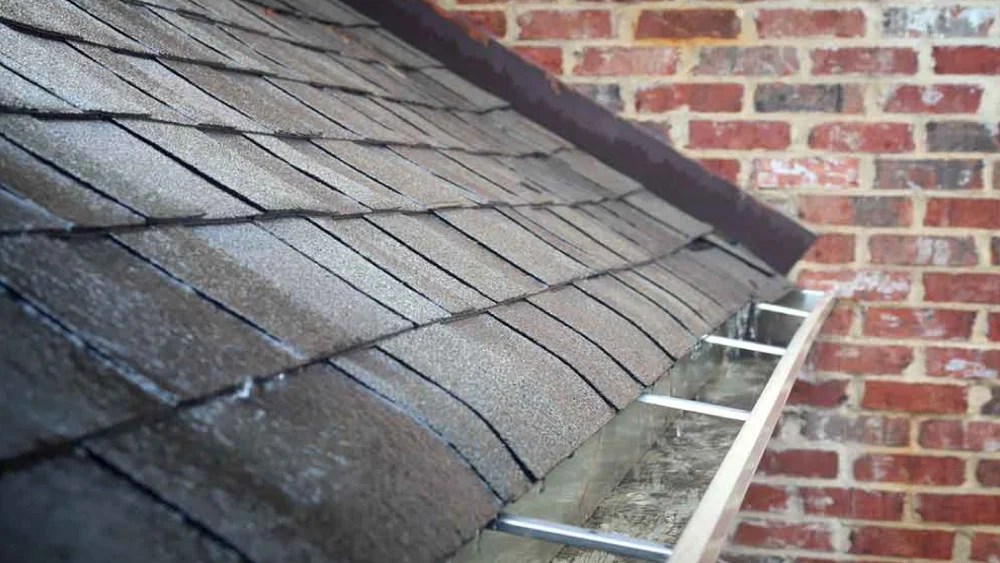
Hail damage occurs when ice strikes roofing materials or exterior surfaces with enough force to bruise, crack, loosen, or remove material. On asphalt shingles, possible signs include irregular dark spots, missing granules, exposed fiberglass matting, cracked edges, and displaced shingles. A roof can have storm damage even when it is not leaking yet.
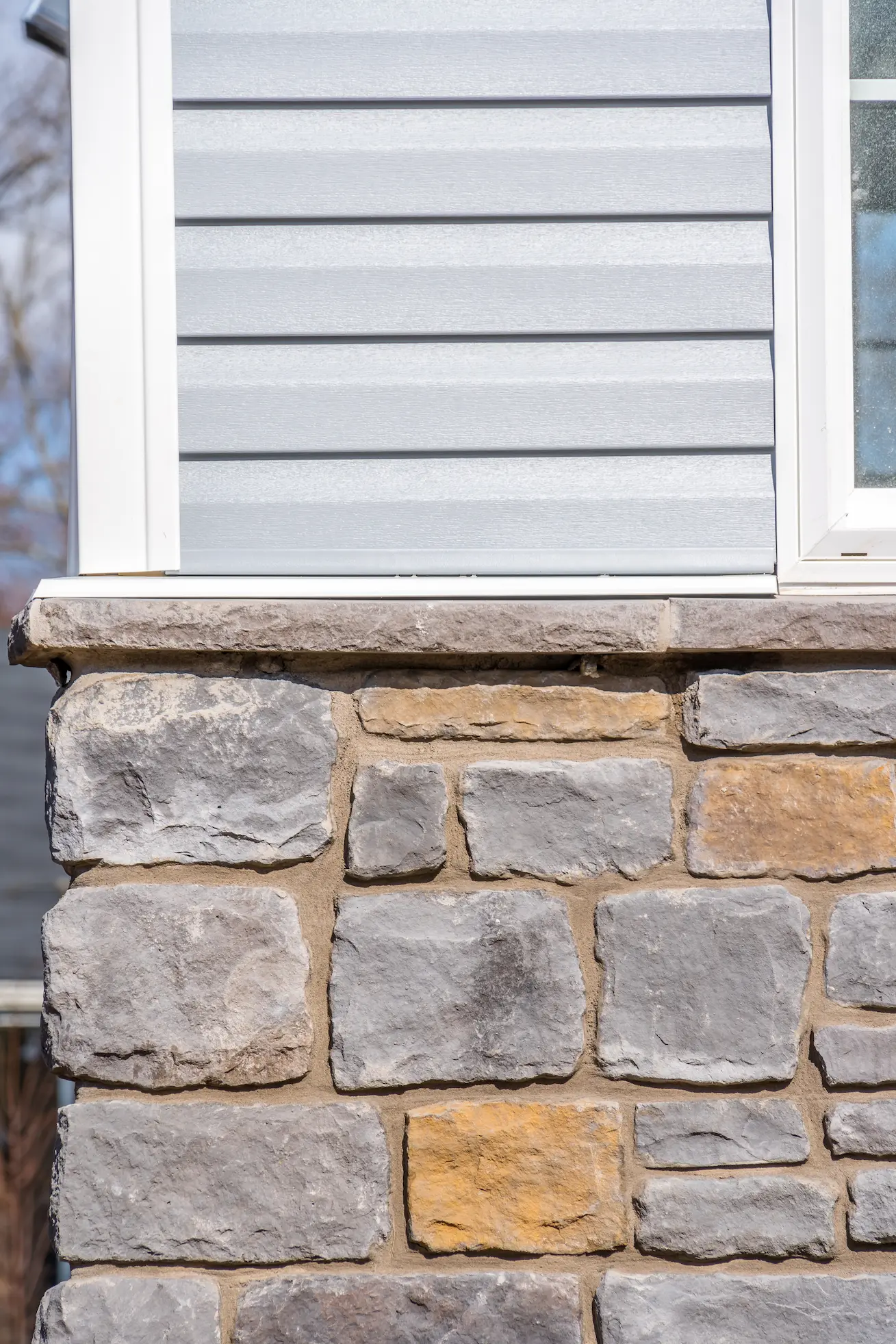
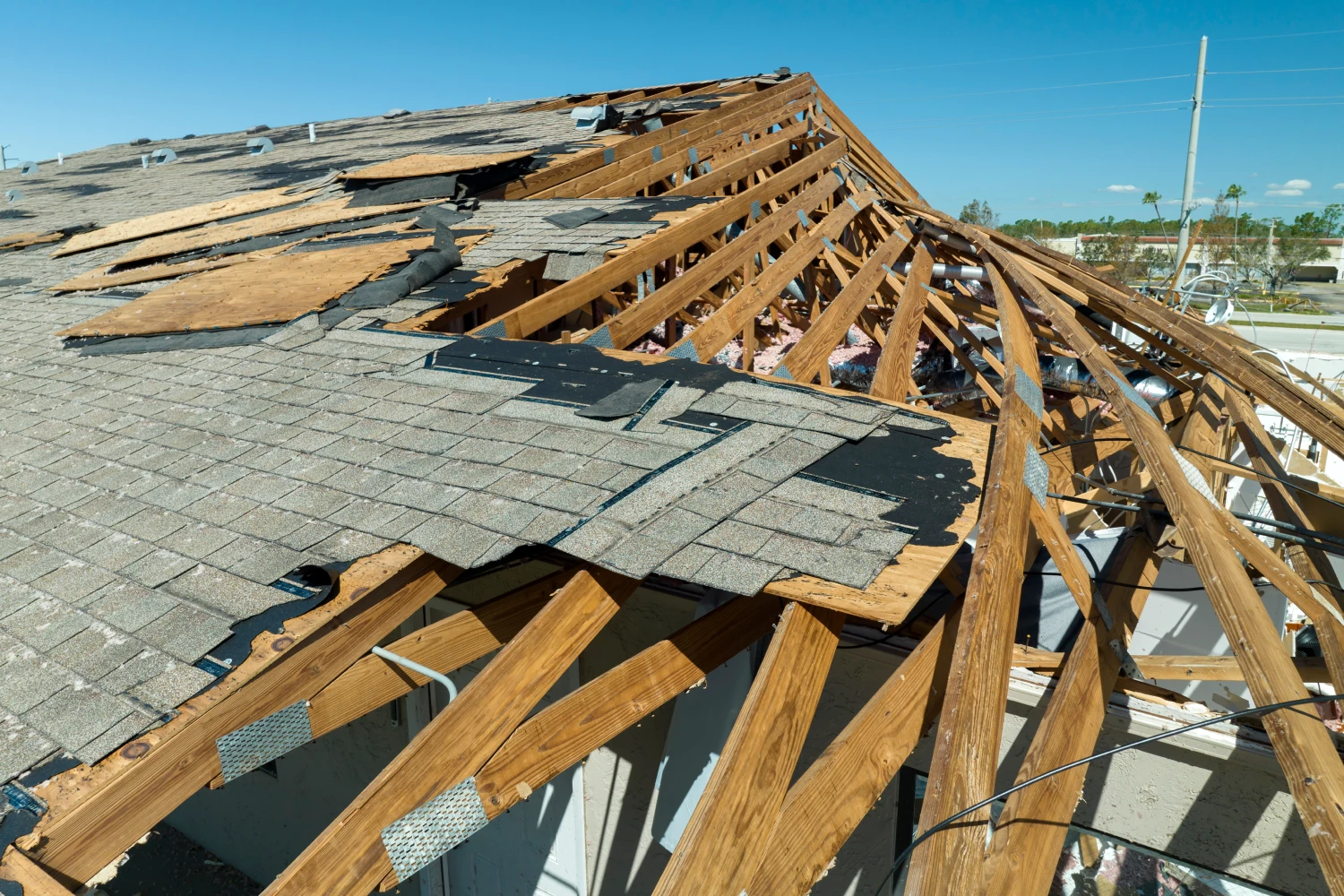
Look beyond the roof. Dents on aluminum gutters, downspouts, window wraps, siding, screens, air-conditioning fins, or soft metal vents can provide context about the storm’s intensity. Wind damage may appear as missing shingles, lifted tabs, creased shingles, loose flashing, damaged ridge caps, or debris impact.
These signs do not prove that every roof slope is damaged. Age-related granule loss, blistering, poor ventilation, installation defects, and earlier storm damage can look similar. A roofing professional should assess the pattern and condition of the materials rather than labeling every mark as a new claim.
Roof inspection checklist for homeowners
Use this checklist for a safe, ground-level review. Mark each item as not observed, possible concern, or confirmed by a professional. Do not use a ladder or walk on the roof to complete it.
| Area to review | What to look for safely | Why it matters |
|---|---|---|
| Shingles | Missing, lifted, creased, cracked, or displaced shingles | Openings can allow water entry |
| Granules | Excess granules in gutters or bare-looking patches | May indicate impact or material loss |
| Ridge and hip caps | Uneven, missing, or damaged cap shingles | These areas are exposed to wind |
| Flashing | Bent or displaced metal near chimneys, walls, vents, and skylights | Failed flashing can cause leaks |
| Vents and penetrations | Cracked covers, loose boots, dents, or missing parts | Damage can create localized water entry |
| Gutters and downspouts | Dents, separation, sagging, blockage, or loose fasteners | Can indicate hail impact or drainage problems |
| Fascia and soffits | Cracks, holes, loosened panels, or water staining | May reveal wind or hidden water damage |
| Siding and windows | Dents, cracks, loose panels, broken screens, or damaged trim | Documents the full exterior scope |
| Attic and ceilings | Daylight, damp insulation, stains, drips, or musty odor | Indicates possible water entry |
| Yard and surroundings | Shingles, metal, branches, or fallen trees | Helps document storm effects |
A professional assessment should also consider valleys, eaves, roof-to-wall transitions, attic ventilation, and existing repairs. Those details are difficult to evaluate accurately from the yard.
Can you inspect the roof yourself?
You can document visible conditions yourself, but a ground-level review is not a complete roof inspection. A homeowner may miss bruised shingles, loose flashing, concealed punctures, or damage on a hard-to-see slope.
| Approach | Useful for | Main limitation |
|---|---|---|
| Homeowner visual review | Immediate documentation and obvious hazards | Cannot confirm concealed or roof-surface damage |
| Roofing professional inspection | Evaluating damage patterns and repair options | Does not determine insurance coverage |
| Insurance adjuster review | Applying the policy’s claim process | May not include every repair or maintenance issue |
The practical choice is not “inspection or insurance.” You may need both. A roofing professional can explain observed conditions and repair options, while your insurer determines whether a covered loss exists. Standard homeowners policies often cover wind and hail, but deductibles, exclusions, policy type, depreciation, and limits can change the result.
How to document damage for an insurance conversation
Call your insurer promptly if you believe the storm caused damage, and ask what documentation and deadlines apply to your policy. Do not assume that a roofing company, adjuster, or online article can interpret your specific coverage.
Prepare a file containing the storm date, photos, videos, leak notes, emergency-measure receipts, and prior roof records. Keep written inspection findings and proposals. If you make a temporary repair, photograph the condition before and after the work and keep the receipt.
Before authorizing work, ask:
- What damage was observed, and where is it located?
- Is the recommendation a repair, partial replacement, or full replacement? Why?
- Which conditions appear storm-related rather than age-related?
- What temporary protection is needed?
- What is included in the written scope, including flashing, ventilation, gutters, siding, and cleanup?
- What workmanship and manufacturer warranties apply?
A reputable roofing company should explain the evidence for its recommendation. Be cautious of anyone who promises insurance payment before reviewing the policy and actual damage.
What affects the cost of storm-damage repairs?
The cost of storm-related work depends on the scope, not simply on the fact that hail or wind occurred. Factors include damaged roof slopes, replacement-material availability, underlayment and decking, flashing, roof pitch, access, ventilation, gutters, siding, skylights, and interior water damage.
A repair may be appropriate when damage is limited and compatible materials can be installed correctly. Replacement may be more practical when damage is widespread, materials are unavailable, the roof has reached the end of its service life, or repairs would leave the system vulnerable. A full replacement should not be recommended without evidence.
FEMA explains that eligible disaster assistance, when available, is intended for eligible disaster-related needs and may not cover all damage or restore a home to its pre-disaster condition. For private insurance claims, rely on your policy, insurer, and written documentation.
A transparent storm-damage assessment process
A sound process should move in this order:
- Safety review: Identify active leaks, exposed hazards, fallen trees, and temporary-protection needs.
- Exterior assessment: Review roof slopes and related components, then photograph findings.
- Interior review: Look for water intrusion and conditions not visible outside.
- Scope explanation: Separate storm-related observations from normal wear, prior damage, and maintenance.
- Written options: Compare repair and replacement recommendations, materials, warranties, exclusions, and next steps.
- Final review: Complete the authorized scope, protect the property, clean the site, and review the finished work.
Reliance Roof Troop describes its approach as education, durability, excellence, and thoroughness. Its services include roofing repair and replacement, emergency roofing, gutters, siding, and insurance-claims guidance. The company states that its consultation process includes a thorough inspection and detailed proposal.
What Northwest Indiana homeowners say about storm response
Reviews can help homeowners understand how a roofing company communicates when the situation is urgent. The following customer experiences were provided for this article and are linked to their original Google review listings.
When a sudden Derecho leak required immediate temporary protection
After a Derecho storm caused a sudden leak, Brenda Rosenquist needed more than a future roofing appointment. She needed help limiting additional water entry and answers to the questions that naturally follow an unexpected roof problem. In her review, Brenda says that Tom “was so great to work with,” helped with her questions, and “even rushed over to put up a tarp” after the leak began.
Brenda also describes having her roof completed by Reliance Roof Troop. Her experience illustrates an important distinction for homeowners: emergency protection and permanent roofing work are separate steps. A tarp may help reduce additional exposure, but it is temporary. The roof should still receive a proper assessment, a written scope, and permanent repair or replacement when the evidence supports it.
“We had our roof done and Tom was so great to work with! Helped me with any questions and even rushed over to put up a tarp after the Derecho storm caused a sudden leak.”
Brenda Rosenquist, Google reviewer. Read the original review.
Practical lesson: If a storm creates an active leak, ask first about immediate temporary protection, then confirm what happens next. Homeowners should know who will document the damage, when the full inspection will occur, and how the temporary measure will be incorporated into the permanent repair plan.
When a wind-storm inspection included photos and a written quote
Jeff Matusiak contacted Reliance Roof Troop a few days after a wind storm. According to his review, the company came out within a couple of hours, provided a quote with pictures, and completed the work later. For a homeowner trying to understand whether wind caused meaningful roof damage, photographs can make the conversation more concrete than a verbal recommendation alone.
Jeff’s experience also emphasizes the value of communication after the inspection. A homeowner should receive enough information to understand what was observed, what work is proposed, and what remains their responsibility to discuss with the insurance company. Prompt service is useful, but the written scope and supporting evidence are what help a homeowner make an informed decision.
“Called a few days after the wind storm, they came out a couple of hours later. Provided me a quote with pictures and the work was done a bit later. Can’t say enough about the customer service. This is what other companies should strive to be. Thanks again!”
Jeff Matusiak, Google reviewer. Read the original review.
Practical lesson: When comparing post-storm roofing options, look for photo-supported findings, a clear written quote, and an explanation of the recommended repair. Reviews describe individual experiences, so homeowners should still compare the inspection findings, materials, warranties, insurance responsibilities, and complete scope for their own property.
Conclusion: Inspect first, repair with evidence
The best storm-damage decision starts with a careful assessment, not a rushed replacement. Use the checklist to document what you can see safely, protect the interior from additional water, and ask for a written explanation of the recommended work. Hail damage can be subtle, so a professional inspection is worthwhile after a significant storm.
If your Northwest Indiana home needs a post-storm evaluation, contact Reliance Roof Troop for a consultation. The team can inspect the roofing system, explain repair or replacement options, and help you organize questions for your insurer.
Frequently Asked Questions
How soon should I inspect my roof after hail damage?
Inspect it as soon as it is safe, especially if you notice leaks, missing shingles, or exterior impact marks. Prompt documentation can help before additional weather changes the evidence. Ask your insurer about policy-specific reporting requirements.
Does hail damage always require a new roof?
No. Limited damage may be repairable, while widespread or system-level damage may justify replacement. The decision should account for the damage pattern, roof age, material compatibility, and written scope of work.
Will homeowners insurance pay for hail damage?
It may, but coverage depends on the policy, deductible, exclusions, limits, depreciation rules, and cause of loss. Wind and hail are commonly covered perils in standard homeowners policies, but confirm the terms with your insurer.