Key Points
•A roof tarp is temporary protection that can help limit additional water intrusion after storm damage. It is not a permanent repair.
•Do not climb onto a damaged roof. Check for hazards from the ground, protect the interior, document the damage, and contact a qualified roofing professional.
•For an Illinois roof tarping emergency or storm damage in Northwest Indiana, the right next step depends on the size of the opening, weather conditions, roof access, and the condition of the underlying roof system.
What should you do first after wind or storm damage?
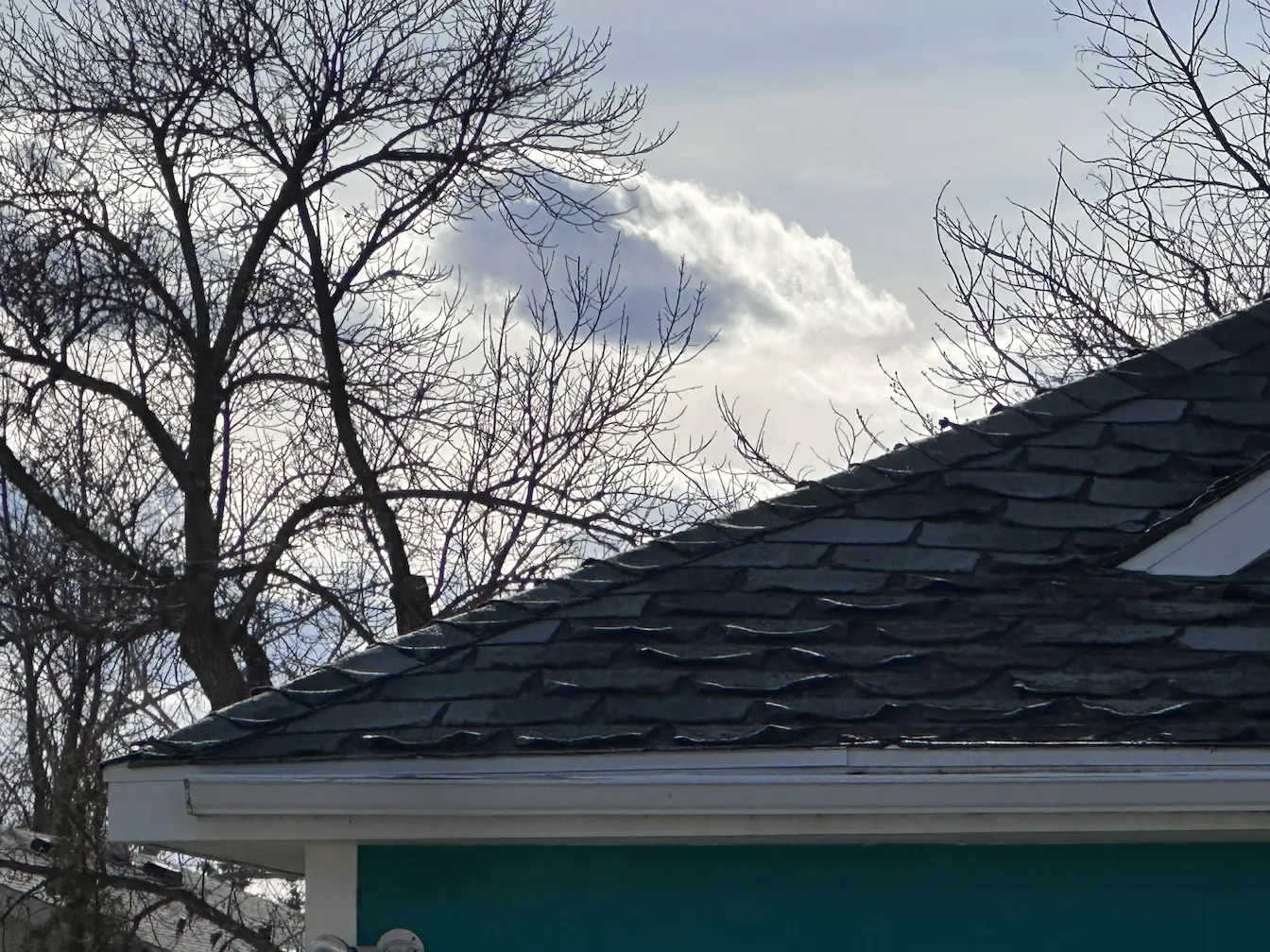
If a storm has torn shingles away, punctured the roof, or left an opening around a vent, the first question is usually not “Do I need a new roof?” It is “How do I keep the next rainfall from making this worse?”
The safest answer is to stay off the roof, check the property from the ground, protect the inside of the home, document what you can safely see, and arrange temporary roof protection as soon as practical. A properly installed tarp can reduce exposure while you wait for a complete inspection and a repair or replacement plan.
We wrote this guide for homeowners in Northwest Indiana and the nearby Chicagoland area who need a clear plan after high winds, hail, a fallen branch, or another sudden event. It explains when emergency roof tarping makes sense, what it can and cannot do, what affects the scope of the work, and how to move from temporary protection to a lasting repair.
The National Weather Service notes that severe thunderstorms can produce hail and wind strong enough to damage roofs and structures. After the threat has passed, it recommends checking damage carefully, wearing protective clothing, staying away from damaged buildings, and contacting authorities when power lines are down.
When does emergency roof tarping make sense?
Emergency roof tarping is most useful when the roof has an exposed area that could allow more rain into the home before a permanent repair can be completed. Common examples include:
•Missing shingles or underlayment after straight-line wind or tornado-related damage.
•A branch or other debris that has punctured the roof surface.
•Hail impact that has broken shingles or created an active leak.
•Damage around a chimney, skylight, vent, or roof edge.
•A roof opening that is visible from the ground or from a safe interior inspection.
A tarp may also be appropriate when the roof is too wet, unstable, or unsafe to repair immediately. In that situation, the purpose is to reduce further exposure while the roof dries, the area is made safe, or the permanent scope is determined.
A tarp is not automatically the right answer for every leak. Water can travel below the roof surface before it appears on a ceiling, and the visible drip may not be directly below the exterior damage. A professional inspection is important when the source is unclear, the roof is steep, the decking may be damaged, or the storm affected more than one part of the home.
For a company that specifically lists emergency roofing among its services, see Reliance Roof Troop’s emergency roofing services. That page is a service resource, not a promise that every emergency can be handled immediately or that every tarp will prevent all additional damage.
What does a roof tarp actually protect?
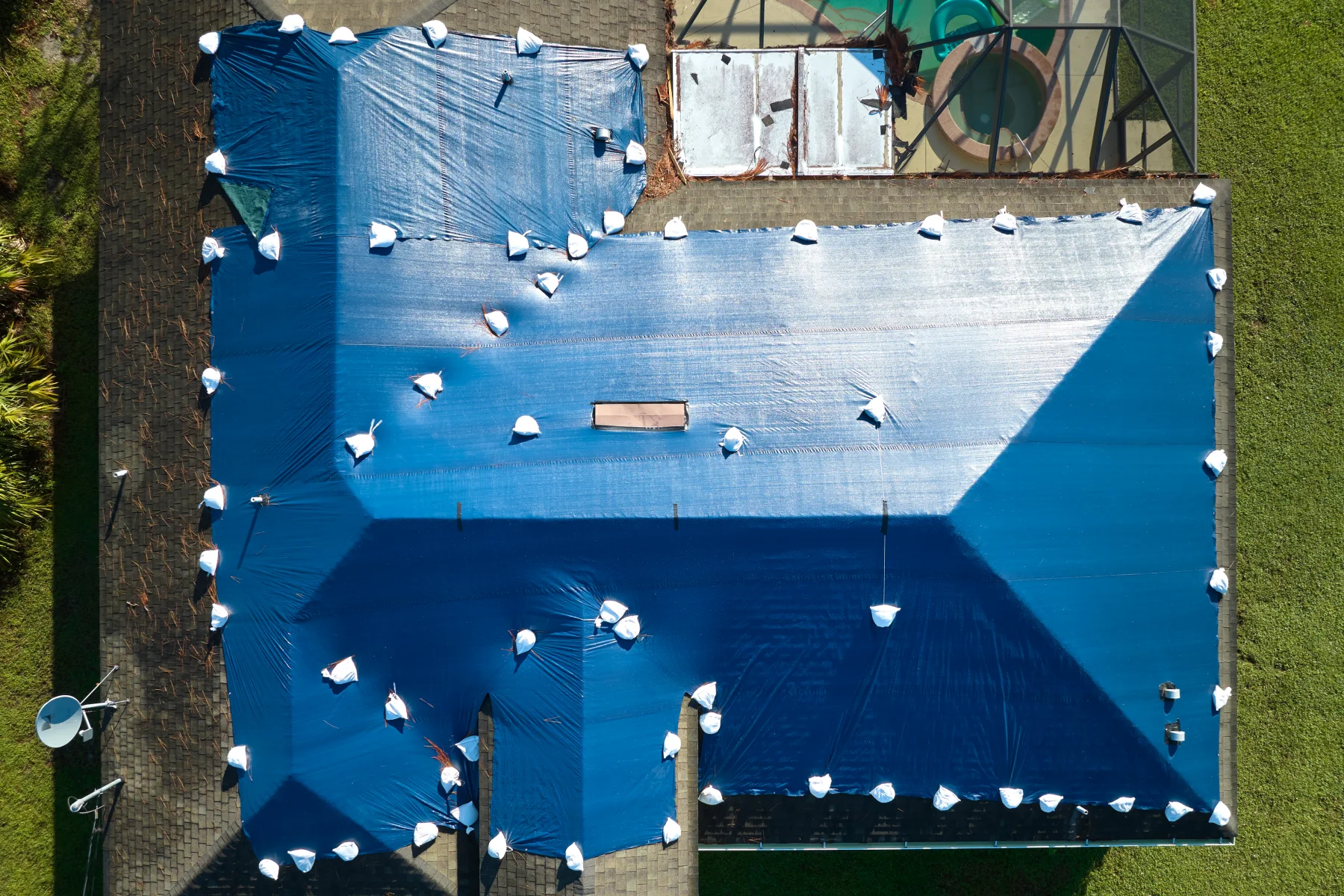
A roof tarp creates a temporary water-shedding layer over a damaged section. Its value is simple: it can help keep rain from entering through an exposed opening while the homeowner and contractor work toward a permanent solution.
It does not restore missing shingles, repair damaged flashing, dry wet insulation, rebuild roof decking, or correct a ventilation problem. It also does not make a damaged roof safe to walk on. Wind can loosen a tarp, ponding water can stress it, and concealed damage can continue if the underlying problem is not inspected.
That distinction matters after a storm. A tarp can be the right immediate measure and still require a follow-up inspection, interior drying, insurance documentation, and permanent roof repair or replacement. The American Red Cross warns that storm cleanup can involve hazards such as splintered materials, sagging ceilings, contaminated water, animals, and insects. It recommends protective clothing, sturdy footwear, gloves, eye protection, and other equipment appropriate to the damage.
A tarp is temporary protection, not a roof replacement
Think of emergency tarping as a pause button for exposure, not as the final answer. The permanent recommendation may be a localized repair, replacement of several roof components, or a complete roof replacement. That decision should be based on the actual condition of the shingles, underlayment, flashing, decking, and roof structure, not on the fact that a tarp was installed.
What should homeowners do before a roofer arrives?
The most useful steps are the ones that reduce risk and preserve information without putting the homeowner on the roof.
Stay inside or away from unsafe areas
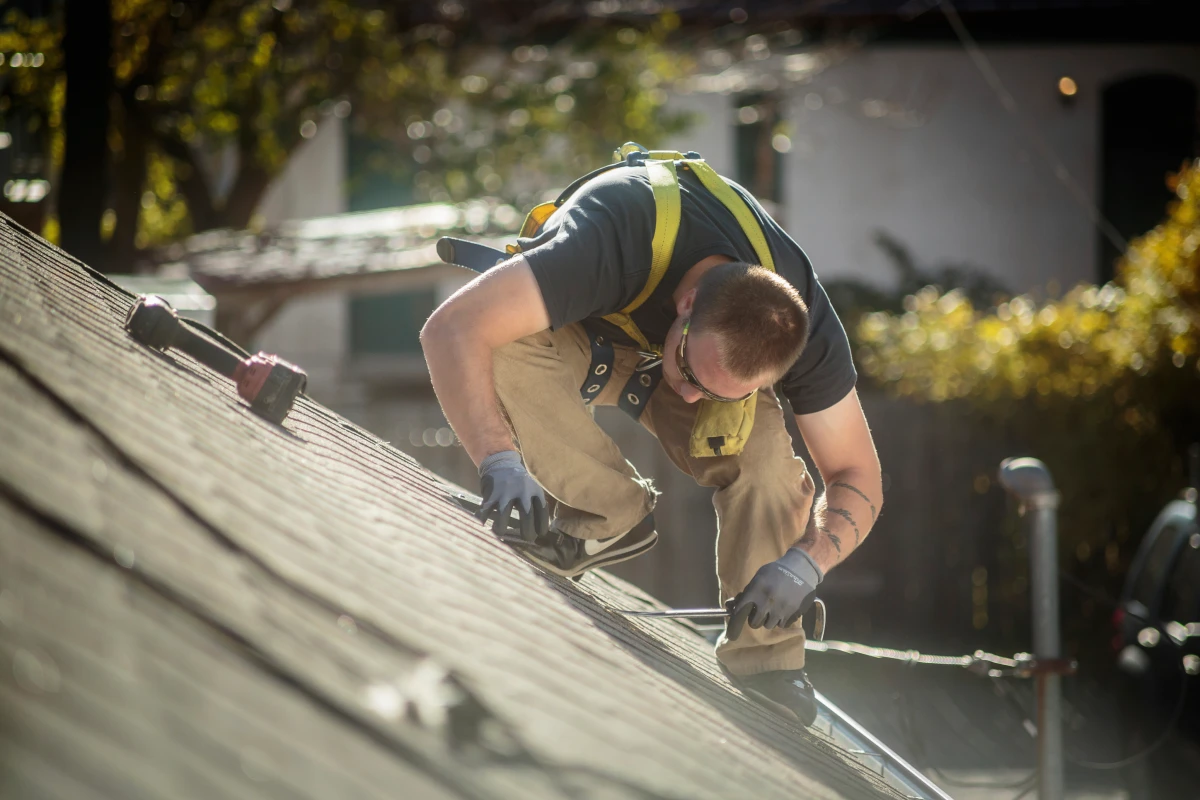
Do not climb a wet or damaged roof to place a tarp yourself. Avoid areas with sagging ceilings, active electrical hazards, broken glass, or visible structural movement. If a ceiling is bulging from trapped water, keep people away from the area and contact an appropriate professional.
After severe weather, look for downed power lines and other hazards from a safe location. The National Weather Service advises staying out of damaged buildings and contacting local authorities when power lines are down.
Control interior water when it is safe
Move furniture, electronics, and other belongings away from a leak. Place containers under active drips if doing so does not require entering an unsafe area. If water is near electrical fixtures, outlets, or equipment, do not touch the affected electrical components. Contact a qualified professional.
Photograph what you can see safely
Take wide photos that show the property and closer photos of visible damage from the ground or another safe location. Photograph fallen branches, missing shingles, water stains, damaged siding, and affected rooms. Do not disturb debris if doing so could create a hazard.
Keep copies of photos, inspection notes, receipts, and communications. Your policy controls what is covered and which steps your insurer requires, so contact your insurance company and ask what documentation it wants before permanent work begins. Reliance’s insurance claims assistance page describes its inspection, documentation, adjuster coordination, and repair process for storm-related roofing and exterior damage.
Ask for temporary protection and a permanent plan
When you call a roofer, explain what happened, when the damage occurred, whether water is entering the home, and what you can see from the ground. Ask two separate questions:
1.What temporary protection is needed now?
2.What inspection is needed to decide the permanent repair?
Keeping those questions separate helps prevent a rushed decision. It also makes it easier to compare a limited repair with a larger replacement when the evidence is available.
DIY roof tarping versus professional emergency tarping
DIY videos can make tarping look straightforward. In practice, a tarp must be selected, positioned, secured, and installed without creating additional roof or fall hazards. A homeowner may also be unable to see damage below the surface or around penetrations.
DIY may be limited to ground-level preparation
Homeowners can often help by moving belongings, taking safe photos, recording the storm date, and making a list of visible symptoms. That information is useful to the contractor and insurer. Roof access, however, is a different matter. If the roof is steep, wet, damaged, or difficult to reach safely, do not attempt the installation.
Professional work adds inspection and documentation
A qualified roofing team can evaluate the accessible damage, identify areas that need protection, determine whether the tarp can be secured without worsening the roof, and document conditions for the next step. Professional temporary work still has limits. No contractor can guarantee that a tarp will withstand every future wind event or prevent all water intrusion when the roof structure is severely compromised.
The practical comparison is not simply “cheap DIY versus expensive professional work.” It is the risk of climbing and misdiagnosing the problem versus the value of safe temporary protection and a clearer repair scope. Cost is affected by the roof’s height and slope, access, tarp size, number of damaged areas, debris removal, the condition of the substrate, weather, and whether other exterior components need protection. We focus on those drivers rather than quoting a one-size-fits-all price before seeing the property.
How does the temporary-to-permanent process work?
A disciplined process usually has four stages.
Stage 1: Make the property safe
The first priority is people, not the roof. Wait until severe weather has passed, stay clear of power lines and unstable areas, and keep children and pets away from debris.
Stage 2: Stop additional exposure where possible
If an exposed roof area can be safely protected, temporary tarping may help reduce additional rain entry. The exact approach depends on the roof surface, location of the opening, access, and weather conditions.
Stage 3: Inspect the complete affected area
The inspection should look beyond the most obvious missing shingles. It may include roof penetrations, flashing, valleys, edges, gutters, siding, windows, attic areas, insulation, and visible interior damage. A tarp that covers one opening does not prove that the rest of the roof is undamaged.
Stage 4: Complete the permanent repair
The lasting solution may involve replacing damaged shingles, repairing flashing, replacing sections of decking, addressing related siding or gutter damage, or replacing the roof when the damage and condition justify it. Reliance’s roof repair and replacement page explains that its inspection process is used to help determine whether repair or replacement is the better fit.
What factors affect the scope and cost of emergency roof tarping?
Homeowners understandably want a number immediately after a storm. The honest answer is that the scope cannot be determined from the phrase “roof tarp” alone. Several factors change the work required:
•Access: A one-story roof with clear access is different from a steep or multi-level roof.
•Size and location: One small opening is different from several damaged slopes or a breach near a ridge, valley, chimney, or skylight.
•Roof condition: Older or already deteriorated materials may not provide a sound surface for temporary fastening.
•Underlying damage: Wet decking, insulation, framing, or interior finishes may require separate attention.
•Weather: Rain, ice, lightning, and continuing high winds can affect when and how temporary protection is installed.
•Related exterior damage: Gutters, siding, fascia, soffits, windows, and detached structures may also need inspection.
•Permanent scope: Temporary protection is only one part of the total recovery plan.
Ask for a written description of what the temporary service includes, what it does not include, whether a follow-up inspection is planned, and what conditions could require additional work. That is more useful than comparing an unexplained emergency number.
What should you ask about an Illinois roof tarping emergency?
If your home is in Illinois or near the Indiana border, ask these questions before work begins:
1.Is the company documenting the visible damage before covering it?
2.Will the team inspect for damage around vents, chimneys, skylights, valleys, and roof edges?
3.Is the tarp intended to cover a specific opening or a larger roof section?
4.What happens if the roof surface will not safely hold temporary fasteners?
5.When will the permanent inspection or repair recommendation be provided?
6.Which receipts, photographs, and reports should be kept for the insurer?
7.What related areas should be checked, including gutters, siding, windows, attic insulation, and interior ceilings?
No contractor can decide your insurance coverage. An insurer determines coverage under the policy, and requirements vary. A roofer can help document physical conditions and explain the repair scope, but homeowners should review instructions directly with their insurance carrier.
A practical emergency roof tarp checklist
Use this checklist after the storm threat has passed:
•Confirm that family members and pets are safe.
•Stay away from downed lines, unstable trees, sagging ceilings, and damaged structures.
•Check for active interior water only from a safe location.
•Move belongings away from water if it is safe to do so.
•Photograph visible exterior and interior damage without climbing.
•Record the date, approximate time, and type of storm.
•Contact your insurance company and ask about documentation requirements.
•Contact a qualified roofing professional for temporary protection and inspection.
•Ask for a written scope for the tarp and a separate permanent repair recommendation.
•Keep photographs, receipts, reports, and communications together.
•Schedule the permanent repair promptly. Do not treat the tarp as a long-term roof system.
How Reliance Roof Troop approaches storm-related roofing needs
At Reliance Roof Troop, we help homeowners understand what happened before recommending the next step. Our site describes emergency roofing, roof repair and replacement, storm-damage documentation, and insurance-claim coordination as parts of our exterior service process. We serve Northwest Indiana and nearby Illinois communities, including areas such as Schererville, Hammond, Highland, Munster, Dyer, Crown Point, and other locations listed in our service-area pages.
That does not mean every damaged roof needs the same response. Sometimes the right solution is temporary protection followed by a targeted repair. Sometimes the inspection shows damage that makes replacement the more responsible choice. We explain the findings, the trade-offs, and the work that should happen next.
For general service information, visit Reliance Roof Troop’s roofing and exterior services. For questions about your property, you can contact Reliance Roof Troop to request a consultation.
Conclusion: A roof tarp buys protection, not time to ignore the damage
After wind or storm damage, the safest plan is to protect people first, limit additional water exposure, document the condition, and arrange a professional inspection. Emergency roof tarping can be a useful temporary measure, but the roof still needs a permanent repair decision based on the actual damage and the condition of the system.
If you are dealing with an emergency roof tarp situation in Northwest Indiana or an Illinois roof tarping emergency near the Chicagoland area, Reliance Roof Troop can help you understand the temporary and permanent roofing steps that may apply to your home.
FAQ
How long can a roof tarp stay in place?
A tarp is temporary protection, not a substitute for roofing materials. Its useful life depends on installation, weather, roof condition, and exposure. Schedule the permanent inspection and repair as soon as practical rather than assuming the tarp can remain indefinitely.
Will a roof tarp stop every leak?
No. A tarp may reduce water entry through a specific exposed area, but water can enter elsewhere or travel below the roof surface. Severe structural damage, damaged penetrations, poor drainage, and ongoing wind can all limit what temporary protection can accomplish.
Should I file an insurance claim before emergency roof tarping?
Do not delay reasonable steps to prevent additional damage, but contact your insurer as soon as practical and ask what it requires. Take safe photographs before the tarp is installed when possible, keep receipts and reports, and confirm coverage questions directly with your insurance company.