Key Points
- A complete roof replacement involves more than installing new shingles. The roof deck, underlayment, flashing, ventilation, drainage, and workmanship all matter.
- The most important planning step is a condition-based inspection that identifies hidden damage, existing layers, material needs, and the scope of preparation.
- Northwest Indiana homeowners should plan around seasonal weather, snow and ice exposure, wind, rain, roof complexity, material availability, and the time needed for a safe installation.
The Real Question Is What a Complete Roof Replacement Should Include
Most homeowners replace a roof only a few times, and many go through the process just once. The question is not simply, “Which shingles should I choose?” It is, “What should I expect before, during, and after the replacement so I can protect my home and make an informed investment?”
A complete roof replacement removes or addresses the parts of the existing system that can no longer perform reliably. Depending on the inspection, that may include the shingles, underlayment, flashing, ventilation components, roof deck, pipe boots, valleys, and edge details. The final scope should be based on the condition of the roof, not on a generic package.
This guide explains everything you need to know about roof replacement in Northwest Indiana, including the decision to replace, inspection questions, material choices, preparation, installation, warranties, and maintenance.
1. When Does a Roof Need Complete Replacement?
A roof may need replacement when damage or wear affects more than one isolated area. Common signals include recurring leaks, widespread missing or damaged shingles, brittle or curling materials, significant granule loss, sagging, deteriorated decking, and repeated repairs that do not resolve the underlying issue.
A single leak does not automatically mean the entire roof must be replaced. A localized flashing problem or a small area of storm damage may be repairable when the surrounding roof remains sound. For a more detailed repair-versus-replacement framework, read Reliance Roof Troop’s roof repair versus roof replacement guide. Replacement becomes more likely when the same failure appears across several slopes or when the existing materials can no longer be safely integrated with new ones.
The decision should come after an inspection that looks above and below the visible roofing surface. A ceiling stain shows where water appeared, not necessarily where it entered.
2. What a Professional Roof Inspection Should Examine
A useful inspection should identify the roof’s current condition and explain what the recommended work will solve. Ask the inspector to review the following areas:
- Shingles or other roof covering: Look for missing, cracked, curled, lifted, blistered, or worn materials.
- Roof deck: Check for soft, rotted, warped, or poorly supported areas that may not hold fasteners securely.
- Flashing: Examine valleys, chimneys, walls, skylights, vents, and other transitions where water can enter.
- Underlayment: Determine whether the existing water-shedding layer should be replaced as part of the new system.
- Ventilation: Review intake and exhaust pathways and identify signs of trapped heat or moisture in the attic.
- Roof edges and drainage: Inspect eaves, rakes, gutters, and downspouts so water can move away from the roof and walls.
- Existing layers: Confirm how many roof layers are present and whether removal is required for a sound installation.
- Storm-related damage: Document wind, hail, or impact damage before materials are removed, and review Reliance Roof Troop’s insurance claims assistance if the replacement may involve a covered storm event.
A replacement proposal should connect each recommendation to an observed condition. If a line item is included, ask what risk it addresses and whether it is required for the complete roof system.
3. Understanding the Parts of a Complete Roofing System
New shingles are visible, but they are only one part of the roof. The Asphalt Roofing Manufacturers Association explains that a new roof protects a home through a series of components that work together as a complete roofing system.
Shingles or the Primary Roof Covering
The roof covering sheds most rain and provides the visible appearance of the home. Asphalt shingles are available in several styles and performance levels. The right selection depends on the roof design, weather exposure, appearance goals, and the manufacturer’s installation requirements.
Underlayment and Water Management
Underlayment provides an additional water-shedding layer beneath the roof covering. It is especially important around valleys, eaves, and other areas exposed to runoff. The exact underlayment should be selected and installed according to the roofing system requirements.
Flashing and Penetrations
Flashing directs water away from vulnerable transitions, including walls, chimneys, skylights, valleys, and plumbing penetrations. Reusing damaged or improperly installed flashing can weaken an otherwise new roof.
Ventilation and Attic Conditions
Ventilation should be evaluated as part of the roof replacement plan. The correct approach depends on the attic design, insulation, air sealing, intake openings, exhaust openings, and local requirements. Adding a roof vent without addressing the rest of the attic system does not automatically solve moisture or temperature problems.
Roof Deck and Fastener Support
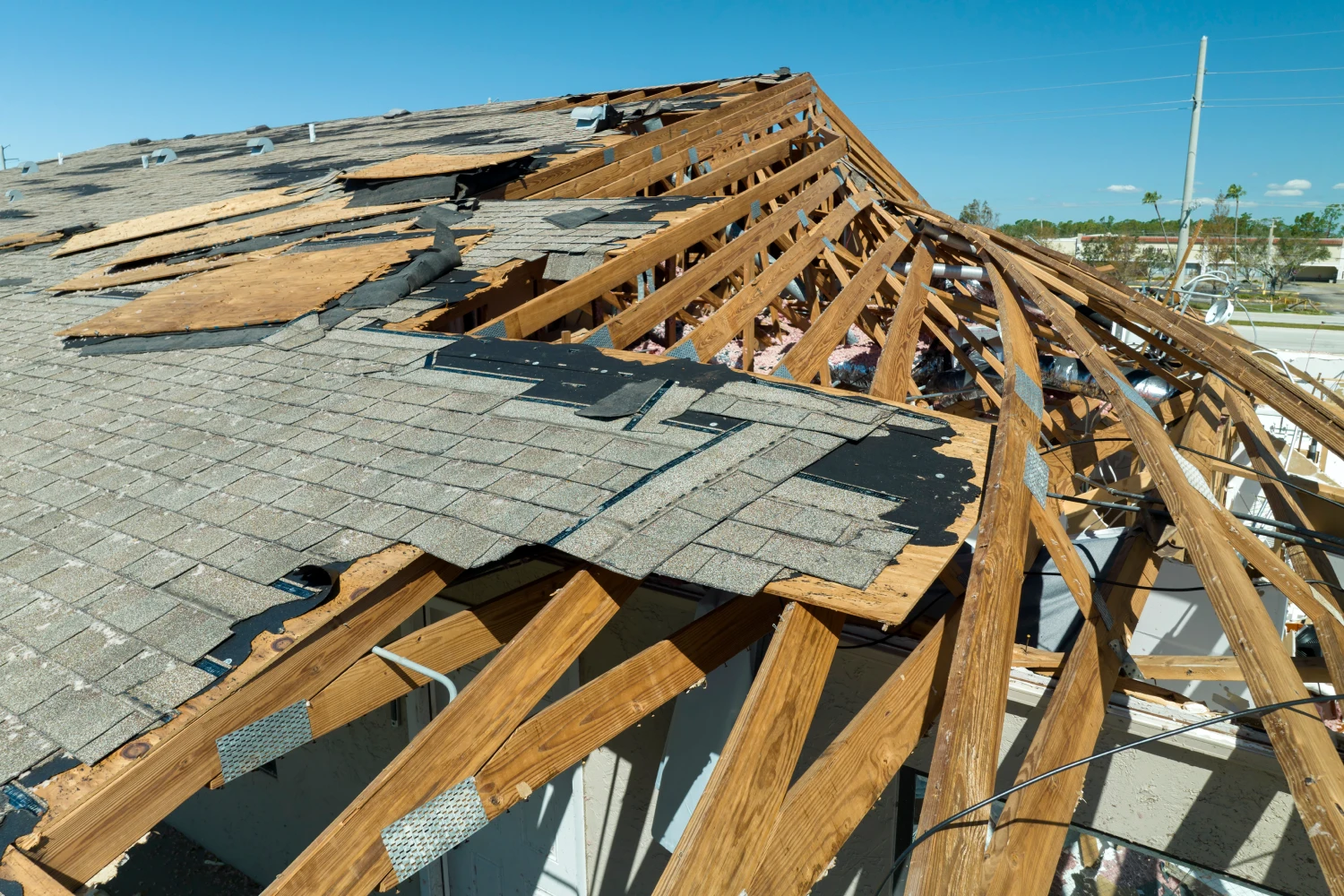
The deck provides the base for fasteners and roofing materials. Areas that are rotten, warped, or structurally unsound should be repaired before the new roof covering is installed. This is one reason the final replacement scope can change after the old roof is removed.
4. Choosing Roofing Materials for Northwest Indiana
Northwest Indiana homes face seasonal rain, snow, ice, wind, humidity, and freeze-thaw exposure. Material selection should account for those conditions, but climate performance also depends on installation. The best product cannot compensate for poor fastening, inadequate flashing, or unresolved moisture problems.
Asphalt shingles remain a common residential choice because they are available in different styles and performance levels. Architectural shingles add dimensional appearance and generally use a laminated construction. Premium or designer products may offer enhanced impact, wind, algae, or aesthetic features, but the exact claims depend on the product line.
When comparing materials, ask about roofing repair and replacement services as well as:
- Impact and wind ratings.
- Fire classification.
- Algae-resistant features.
- Color and style availability.
- Manufacturer installation requirements.
- Warranty coverage and exclusions.
- Availability of matching accessories.
- Installer familiarity with the selected system.
Do not compare only the shingle label. Compare the complete roof system and the installation details that support it.
5. How Roof Complexity Changes the Replacement Scope
Two homes with similar roof areas can require very different replacement plans. Roof pitch, valleys, dormers, skylights, chimneys, wall intersections, multiple elevations, and difficult access increase the number of details that must be installed correctly.
Complex roofs have more transitions where water must be directed and more areas where materials must be cut and integrated. The scope may also change when gutters, soffit, fascia, siding interfaces, or ventilation components need attention.
A clear proposal should explain the roof’s features rather than treating the project as a simple square-foot calculation. Ask how the design of your roof affects labor, flashing, waste, safety, material selection, and inspection.
6. What Northwest Indiana Homeowners Should Expect During Installation
A well-planned replacement begins before materials arrive. The homeowner and the roofing team should discuss access, property protection, material delivery, outdoor items, pets, children, noise, weather changes, and cleanup.
During removal, the existing roofing materials are taken off or otherwise addressed according to the approved scope. The exposed deck can then be inspected for damage. Any necessary deck repairs should be completed before the new roof system is installed.
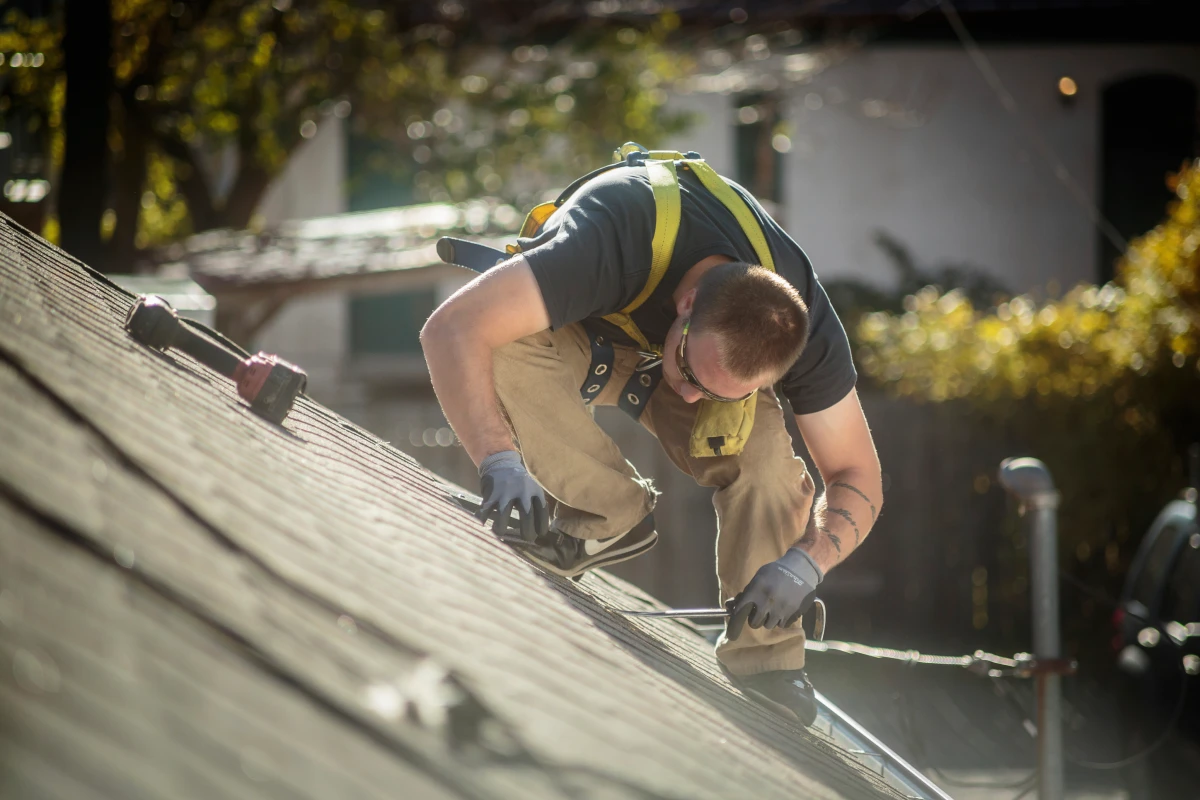
The installation sequence varies by product and roof design, but it commonly involves preparing the deck, installing water-control layers, adding flashing and edge details, placing the roof covering, completing penetrations and ventilation, and inspecting the finished work. The final walkthrough should confirm that debris has been removed and that the homeowner understands maintenance and warranty requirements.
7. Customer Experiences With Malarkey Roof Replacement
The following case studies are based on customer reviews supplied for Reliance Roof Troop. They reflect the reviewers’ reported experiences and do not add unsupported details about storms, leaks, roof age, permits, or structural conditions.
A Full Malarkey Roof, Gutter, and Window-Trim Project Built Around Communication
One homeowner described completing a full Malarkey roof replacement along with new gutters and window trim in October. The review does not identify a storm or a specific failure that caused the project. Instead, it highlights the homeowner’s need for clear answers, attention to specific requests, and confidence that several exterior trades would be coordinated properly.
From the first call, the Reliance Roof Troop team took time to answer questions. The homeowner noted that they asked “a lot of questions” and had “some specific requests,” then reported that the company delivered on those requests. The process was described as “no pressure” and quick to begin, which helped the homeowner move from planning to construction without feeling pushed into a decision.
The review places particular emphasis on the build day. Patrik was on site and was described as an asset to the company who was focused on creating “a quality job.” The homeowner also noted that he helped maintain safe access in and out of the home and left the property clean. When something was pointed out, the review says it was corrected quickly to the homeowner’s satisfaction.
The homeowner’s final lesson was not that every construction project is perfect. In fact, the review acknowledges that “no contractor is going to get it 100% correct,” then identifies the more important standard: choosing a contractor who stands behind the work and makes corrections when necessary. Daniel was also recognized for calling and following up on the build day and again afterward.
Practical takeaway: When a roof replacement includes gutters and window trim, ask how the contractor will coordinate the full exterior scope, respond to specific requests, maintain safe access, protect the property, handle corrections, and communicate after installation.
Read Nick’s original Google review for verification.
8. What Drives Roof Replacement Cost Without Relying on a Generic Price Range
The cost of a roof replacement is determined by the project scope. Important factors include the roof’s size and pitch, the number of existing layers, removal and disposal requirements, decking repairs, flashing, ventilation, roof complexity, material selection, access, weather, and related exterior work.
A proposal that appears lower may exclude important preparation or system components. A proposal that includes more line items may be addressing conditions that another proposal did not identify. The useful question is not only “What is the total?” but also “What does the total include, and what risk does each part of the scope address?”
Homeowners should compare proposals line by line. Confirm whether they include removal, deck inspection, underlayment, flashing, ventilation, edge metal, cleanup, permits when applicable, manufacturer requirements, and workmanship coverage.
9. Warranties: What They Cover and What They Do Not
Roofing warranties are not all the same. A manufacturer’s warranty generally addresses specified product defects under stated conditions. A workmanship warranty addresses installation-related issues according to the roofing company’s terms.
Ask for the warranty documents before signing. Review the covered products, registration requirements, duration, exclusions, maintenance obligations, transfer rules, and steps for submitting a claim. A longer number in a brochure does not automatically mean broader protection.
The warranty may also require installation according to the manufacturer’s instructions. Improper ventilation, incompatible components, poor fastening, or unauthorized alterations can affect coverage. The homeowner should receive the final warranty information and any required maintenance guidance.
10. How to Prepare Your Home and Family for Replacement
Preparation reduces confusion and helps the installation move safely. Before work begins, ask about the expected work area, material delivery, access points, noise, debris, and weather plan.
Move fragile items away from ceilings and exterior walls if vibration could affect them. Secure or remove outdoor items near the work area, keep pets indoors, and discuss how vehicles will be positioned. If the project includes attic access or interior work, ask when those areas will be needed.
Do not assume the project schedule is fixed regardless of weather. Rain, high winds, snow, ice, and unsafe temperatures can affect roofing work. A responsible plan includes communication about weather delays rather than rushing installation conditions.
11. Your Complete Roof Replacement Checklist
Use this checklist before choosing a roof replacement plan:
- Confirm why replacement is recommended instead of repair.
- Request a written inspection summary and scope of work.
- Ask whether the roof has one layer or multiple layers.
- Confirm how the roof deck will be inspected and handled.
- Review shingle, underlayment, flashing, ventilation, and edge details.
- Compare material ratings and manufacturer requirements.
- Ask what is included for property protection and cleanup.
- Review the expected installation sequence and weather policy.
- Read manufacturer and workmanship warranty terms.
- Confirm who will answer questions during the project.
- Keep photographs and documents related to the existing roof.
- Schedule follow-up maintenance and inspections after completion.
Conclusion: Plan the Roof System, Not Just the Shingle Purchase
Everything you need to know about roof replacement begins with one principle: the roof is a system. Shingles, underlayment, flashing, ventilation, roof decking, drainage, and installation quality must work together to protect the home.
Reliance Roof Troop can help Northwest Indiana homeowners understand the condition of their roof, compare material options, and plan the replacement scope around the home’s actual needs through its roofing repair and replacement services. Schedule a consultation before choosing a product or approving a proposal so the decision is based on a complete assessment.
Frequently Asked Questions
How long does a roof replacement take?
The timeline depends on roof size, complexity, weather, material availability, deck repairs, access, and the approved scope. Ask for a project sequence and communication plan rather than relying on a generic timeline.
Should I replace the roof before selling my home?
That depends on the roof’s condition, the buyer expectations in your market, the likelihood of inspection concerns, and your long-term plans. A roofing assessment can help you understand whether repair, maintenance, or replacement is the most responsible option.
Can I stay home during a roof replacement?
Many homeowners remain in the home, but replacement can involve noise, vibration, debris, and restricted access. Discuss the work area, pets, children, vehicles, and any special needs with the roofing team before installation begins.