Key Points
- Repair is usually sensible when damage is limited to one area, the roof is otherwise in good condition, and compatible shingles are still available.
- Replacement is usually the safer choice when problems are widespread, shingles have become brittle, leaks keep returning, or the roof deck and roof structure need attention.
- Do not decide from a leak alone. A condition-based inspection should look at the shingles, flashing, ventilation, roof deck, roof age, and storm damage before recommending either path.
The Real Question Is Whether a Repair Will Truly Protect Your Home
When a roof leaks or loses shingles, the real question is rarely just, “Can this be fixed?” Homeowners want to know whether a repair will truly solve the problem or merely delay a larger failure. The direct answer is simple: repair a roof with isolated damage and sound surrounding materials, but replace a roof when damage, wear, or underlying defects affect the system as a whole.
That distinction matters in Northwest Indiana. The National Weather Service documents severe wind damage, flooding, and tornado events affecting northwest Indiana, and seasonal water and temperature exposure can turn a small weak point into a larger roof problem.This guide explains the signs your roof needs replacement, the circumstances where a targeted repair is still a good investment, and the questions an honest inspection should answer.
1. Start With the Scope of Damage, Not the Size of the Leak
A ceiling stain or missing shingle does not automatically mean you need a new roof. Water can enter through a localized issue, such as damaged flashing around a vent, a few wind-lifted shingles, or a small opening near a roof valley. If the surrounding shingles remain flexible, intact, and securely fastened, a focused repair may be the right path.
Replacement becomes more likely when the same issue appears in multiple locations. Repeated leaks, scattered shingle loss, widespread granule loss, or failures across several roof slopes suggest that the roof is aging as a system. In that situation, repairing one spot may leave several other weak points behind.
For a closer look at warning signs that need prompt attention, see our guide to signs your roofing needs immediate repair.
2. Brittle, Cracked, or Curling Shingles Change the Repair Decision
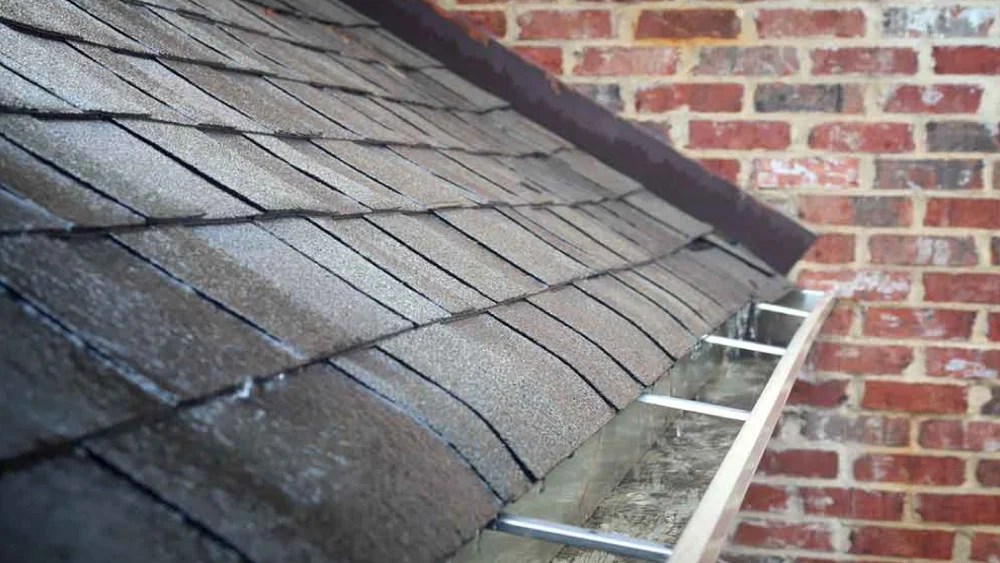
Repair work often requires lifting shingles around the damaged area to install new materials correctly. That is possible when the existing shingles are still pliable. If they are brittle, cracked, curled, or heavily worn, lifting them can cause additional breakage and expand the repair area.
This is one of the clearest signs your roof may need replacement rather than another patch. A repair that damages the surrounding material while attempting to fix one section is not a durable repair. An inspection should identify whether the shingle field can still be worked safely and whether the new material can integrate with the existing roof.
3. Recurring Leaks Usually Signal a System Problem
A roof leak can originate far from where water appears inside the home. Water follows framing, underlayment, and roof decking before reaching a ceiling or wall. That is why repeating the same repair without identifying the entry point can leave homeowners stuck in a cycle of water damage.
Replacement may be the better solution when leaks recur despite prior repairs, especially if they occur in more than one area or after normal rain events. A full replacement allows the roofing team to remove the old covering, examine the deck, address damaged substrate, and rebuild the water-shedding layers as one system. The Asphalt Roofing Manufacturers Association notes that roofs should be individually evaluated and that rotten or warped decking must be replaced before a new roof covering is installed.
If you are trying to pinpoint the source of water entry, review common causes of roof leaks and how to spot them.
4. Roof Deck and Structural Signs Should Never Be Patched Over
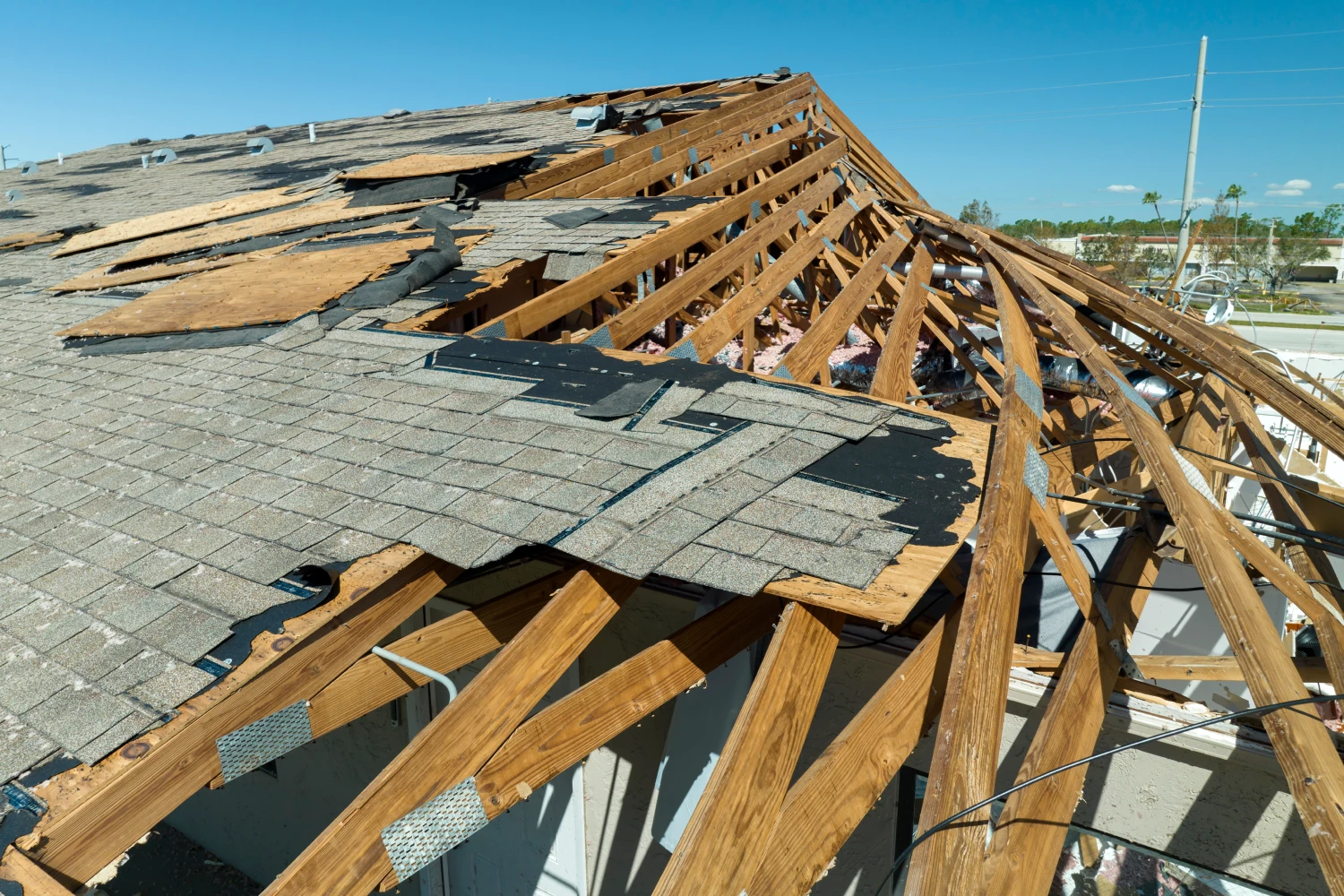
Shingles are only the outermost layer of your roof. The wood deck below them provides the base that holds fasteners and supports the entire roofing system. If the roofline sags, feels soft underfoot during a professional inspection, or shows signs of rot and warping, the issue extends beyond surface materials.
These conditions typically call for a more thorough replacement scope because the damaged deck must be accessible and repaired before new roofing goes on. ARMA identifies sagging, structurally unsound decking, damaged boards, and significant unevenness in existing shingles as conditions that may require old shingles to be removed rather than covered.
5. Shingle Matching Can Make a Small Repair Impractical
A localized repair works best when a compatible shingle can be installed and properly sealed into the existing roof. The exact brand, product line, size, and color blend may no longer be available, especially on an older roof. Even a compatible new shingle can look noticeably different after years of weathering.
Appearance is not the only concern. Forcing unlike materials together can affect how shingles lie, drain, and seal. If proper matching is not possible, it may be more responsible to consider replacement, particularly when several repairs are already needed across the roof.
6. When to Repair Roof vs Replace: A Clear Comparison
| Inspection finding | A repair may be appropriate when | Replacement is more likely when |
|---|---|---|
| Storm damage | Damage is confined to a small area and the surrounding roof remains sound. | Damage affects multiple slopes, several roof components, or large areas of shingles. |
| Leaks | The source is identified, isolated, and the surrounding materials are in good condition. | Leaks recur, appear in different areas, or reveal damaged decking or interior moisture issues. |
| Shingle condition | Shingles remain flexible and compatible replacements are available. | Shingles are brittle, curled, cracked, heavily worn, or discontinued. |
| Roof deck and roofline | Deck and framing are sound, flat, and capable of securely holding fasteners. | The roofline sags, decking is rotten or warped, or fastener retention is compromised. |
| Repair history | This is the first isolated problem on an otherwise healthy roof. | The roof has needed repeated repairs or multiple areas are nearing failure. |
| Long-term plan | You need a sensible solution while the rest of the roof has meaningful service life remaining. | You want to reset the complete roofing system and avoid stacking repairs on an aging roof. |
The table is a decision aid, not a diagnosis. A qualified assessment should still verify the condition of the flashing, underlayment, attic ventilation, and roof deck before you decide.
7. The Cost Question: What Actually Drives Repair and Replacement Scope
It is reasonable to ask which option makes financial sense. A repair generally has a smaller scope because it addresses a limited location. The scope can grow when the roof is steep, access is difficult, more shingles break while being lifted, matching material is unavailable, or flashing and decking need to be rebuilt.
Replacement involves more work because it addresses the entire roof system, not just the visible symptom. The scope is influenced by roof size and complexity, existing layers, disposal needs, deck repairs, ventilation, flashing details, and the selected roofing materials. The right choice is not always the least expensive immediate option. It is the option that solves the identified problem without asking an aging system to perform beyond its condition.
For broader context, read our existing guide, roof repair vs. roof replacement: which is right for you?.
8. Your Roof Replacement Decision Checklist
Before agreeing to a repair or replacement, ask for clear answers to the following questions.
- Is the damage isolated or widespread? Ask the inspector to identify every affected roof slope and component.
- Are the existing shingles still flexible enough to repair? A repair must not cause additional material failure.
- Can matching shingles be obtained? Confirm both compatibility and the likely visual result.
- Is the roof deck sound? Ask whether any sagging, rot, warping, or fastening concerns were found.
- Has this roof leaked or been repaired before? A history of repeated work can change the long-term value of another repair.
- Did wind or hail cause the damage? If so, document the condition promptly and review your roof insurance claim options before major work begins.
- What does the recommended scope solve? The explanation should connect the proposed work to the cause of the issue, not only the visible symptom.
Make the Decision From a Complete Roof Assessment
The best answer to “repair or replace?” depends on the roof’s full condition, not one damaged shingle or one ceiling stain. A repair can be an intelligent investment when the issue is isolated and the rest of the roof remains dependable. Replacement becomes more practical when wear, leaks, material failure, or deck damage extend beyond a repairable section.
Reliance Roof Troop is a locally owned, veteran-led roofing team serving Northwest Indiana. Our process begins with a careful inspection so homeowners can understand whether roof repair or roof replacement is the responsible next step. Schedule a consultation when you want a clear condition-based recommendation for your home.
Can a roof be repaired if it is old?
Yes, an older roof can sometimes be repaired if the damage is isolated and the surrounding shingles are still flexible and sound. Age alone does not determine the answer. However, if the shingles are brittle, heavily worn, or no longer matchable, replacement may provide a more reliable outcome.
Is a leaking roof always a sign that I need replacement?
No. A single leak can come from a localized flashing issue, damaged shingle, or roof penetration that can be repaired. Replacement is more likely when leaks recur, appear in multiple areas, or indicate a deeper problem with the roof deck or aging materials.
Can new shingles be installed over an existing roof?
In some circumstances, an additional shingle layer may be permitted if local code allows it, the structure can support the weight, the deck is sound, and the existing roof is flat and undistorted. It is not appropriate in every situation. ARMA notes that most manufacturers do not recommend installing new shingles over existing laminated shingles, and removal is generally necessary when there are already two layers, deck damage, sagging, or significant unevenness.