Key Points:
- Northwest Indiana homes require specific seasonal exterior maintenance to survive freezing winters, severe spring storms, and humid summers without expensive damage.
- The most critical maintenance tasks involve managing water: keeping gutters clear, ensuring proper attic ventilation, and checking roof flashing before the winter freeze.
- Neglecting seasonal maintenance is the leading cause of premature roof failure and foundation issues, turning simple upkeep into major repair investments.
The Real Question Homeowners Are Asking
You are looking at the changing weather and wondering, “What do I actually need to do to protect my home this season?” The uncomfortable truth is that most homeowners wait until they see a water stain on the ceiling or a cracked foundation before they think about exterior maintenance. By then, a simple weekend task has turned into a major project.
Here is what most homeowners do not realize: your home’s exterior is a complex system designed to manage water and temperature. When one part of that system fails, it affects everything else. Northwest Indiana homes face a unique set of challenges, from brutal winter freezes off Lake Michigan to severe spring hail and humid summer heat. You need a maintenance plan built specifically for these conditions.
This guide provides exactly that. We have created a comprehensive seasonal maintenance checklist based on decades of experience working on homes in Hammond, Schererville, Crown Point, and Munster. We will break down exactly what you need to check, what problems to look for, and when you can handle it yourself versus when you need a professional consultation.
Spring Maintenance: Recovering from the Deep Freeze
Spring in Northwest Indiana means assessing the damage left behind by winter ice and preparing for severe storm season. This is the most critical time for exterior inspections. The freeze and thaw cycle can wreak havoc on roofing materials and masonry.
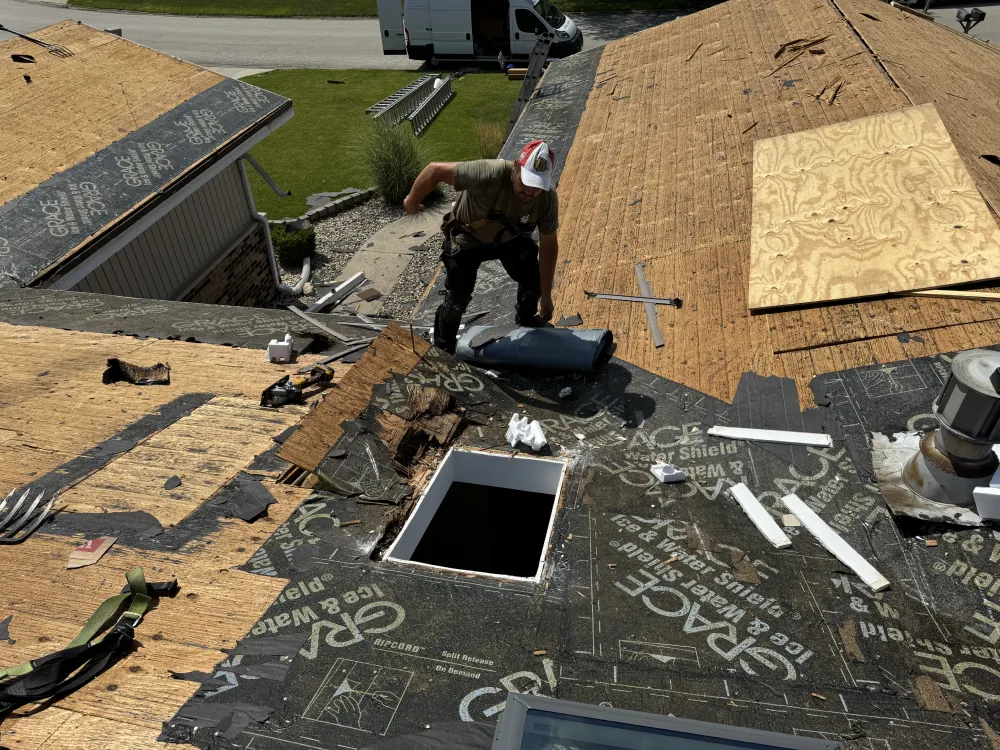
Your primary focus should be on your roof and gutters. Ice dams can lift shingles and pull gutters away from the fascia board. If you see granules from your asphalt shingles accumulating in your downspouts, it is a sign that winter weather has accelerated your roof’s aging process. You also need to inspect the flashing around your chimney and vents, as expanding ice often breaks these critical seals. If you notice signs your roofing needs immediate repair, contact a professional for assessment.
Spring Exterior Checklist:
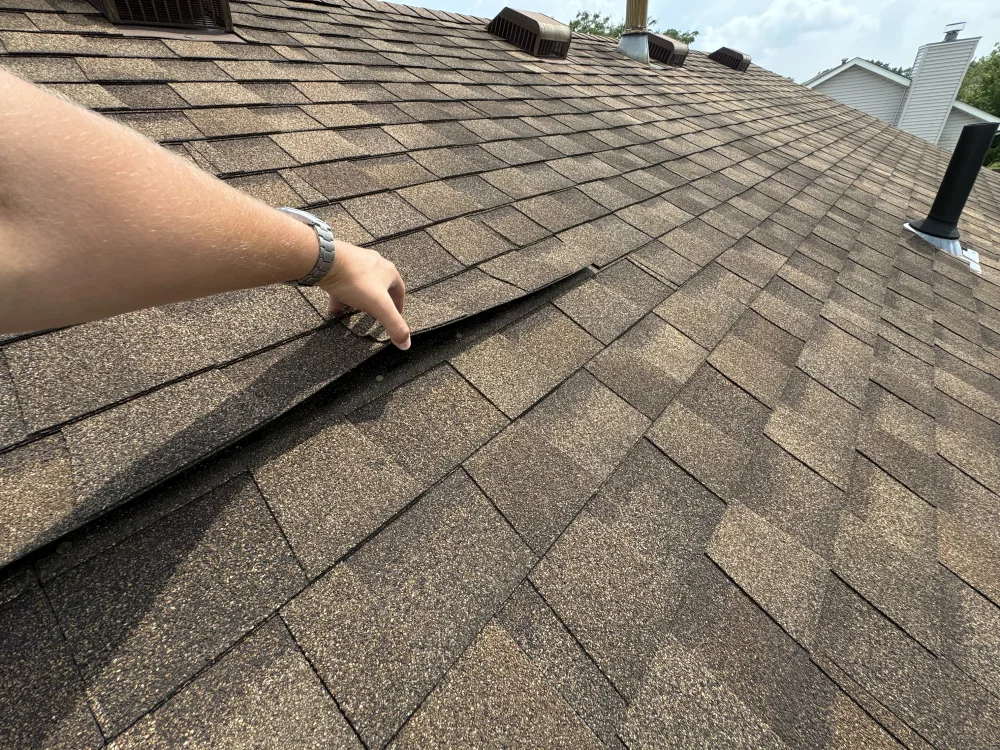
- Inspect roof for missing, lifted, or cracked shingles. Learn about common causes of roof leaks.
- Clean gutters and ensure downspouts direct water at least five feet away from the foundation.
- Check siding for winter moisture damage or warping.
- Inspect window and door caulking for cracks.
- Examine the foundation for new cracks caused by frozen ground shifting. If you have storm damage, file an insurance claim promptly.
Summer Maintenance: Managing Heat and Humidity
Summer brings intense heat and high humidity to our region. This weather tests your home’s ventilation and cooling efficiency. A poorly ventilated attic will trap heat, baking your asphalt shingles from the inside out and driving up your energy bills.
The biggest issue we see in summer is attic moisture. When hot, humid air gets trapped in an improperly ventilated attic, it can cause the roof decking to warp and lead to mold growth. You need to ensure your soffit vents are clear of insulation and your ridge vents are functioning properly. Proper attic ventilation is critical for roof longevity and energy efficiency.
Summer Exterior Checklist:
•Check attic for proper airflow and signs of moisture or mold.
- Trim tree branches back at least ten feet from the roof to prevent abrasion and pest access.
- Inspect exterior wood trim for signs of rot or insect damage.
- Wash siding to remove dirt and prevent mildew growth.
- Check exterior grading to ensure summer storm water flows away from the house.
Fall Maintenance: Preparing for the Brutal Winter
Fall is your last chance to secure your home’s exterior before the freezing weather arrives. In Northwest Indiana, failing to prepare for winter is the most expensive mistake a homeowner can make.
The primary goal of fall maintenance is water management. When leaves clog your gutters, water backs up onto the roof. When that water freezes, it creates ice dams that force moisture under your shingles and into your home. You must ensure your gutters are completely clear before the first hard freeze. Learn how often you should clean your gutters to prevent winter damage.
Fall Exterior Checklist:
- Clean gutters and downspouts thoroughly after the majority of leaves have fallen. Visit our gutter services page if you need professional help.
- Inspect roof valleys and flashing for debris buildup.
- Seal any gaps around exterior pipes, wires, and vents to prevent drafts and pests.
- Have your roof inspected by a professional if it is more than ten years old. If your roof is aging, learn about roof repair vs. roof replacement to make the best decision.
- Ensure attic insulation is sufficient to prevent heat loss that causes ice dams.
Comparing Maintenance Approaches: DIY vs Professional
Many homeowners wonder which tasks they can handle themselves and which require a professional. This is an important comparison, as safety and thoroughness are both critical.
| Maintenance Task | Best Approach | Why It Matters |
| Gutter Cleaning | DIY (if safe) or Professional | Clogged gutters lead to foundation damage and ice dams. If you have a steep roof, hire a professional. |
| Visual Roof Inspection | DIY (from the ground) | You can spot missing shingles from the yard. Do not walk on a steep roof yourself. |
| Flashing and Seal Inspection | Professional | A design-build firm has the trained eye to spot failing seals that homeowners miss. |
| Attic Ventilation Check | Professional | Improper ventilation destroys roofs from the inside out. It requires expert assessment. Learn more about attic ventilation. |
The Hidden Costs of Deferred Maintenance
The most uncomfortable truth about homeownership is that deferred maintenance always costs more than proactive care. Skipping a gutter cleaning might save you a weekend afternoon, but it can lead to rotted fascia boards and water in your basement.
When you ignore seasonal maintenance, you are not just risking water damage; you are voiding manufacturer warranties. Most roofing and siding warranties require proof of regular maintenance. If a storm damages your roof, but the insurance adjuster finds that the damage was worsened by neglected upkeep, your claim could be denied. Regular maintenance is an investment in your home’s longevity and your financial protection.
Proactive Care Protects Your Investment
Understanding your home’s seasonal needs is the first step in protecting your investment. By following a structured maintenance checklist for spring, summer, and fall, you can prevent minor issues from turning into major structural problems. Northwest Indiana weather is unforgiving, but a well-maintained exterior can handle it.
At Reliance Roof Troop, we believe in educating homeowners so they can make the best decisions for their properties. Our design-build approach means we look at your home as a complete system, not just a collection of parts. If you are unsure about the condition of your roof, siding, or gutters after a harsh season, do not guess. Contact us to schedule a comprehensive consultation, and let our experienced team provide the honest assessment your home deserves.
We serve Hammond, Schererville, Crown Point, Munster, and throughout Northwest Indiana. Learn more about our roofing services or visit your local service area page to see how we can help protect your home.
FAQ
How often should I clean my gutters in Northwest Indiana?
You should clean your gutters at least twice a year: once in the spring to clear out winter debris, and once in the late fall after the leaves have dropped. If your home is surrounded by large trees, you may need to clean them three or four times a year to prevent water backups and ice dams.
What is the most common cause of winter roof leaks?
Ice dams are the leading cause of winter roof leaks in our region. They form when heat escapes from a poorly insulated or ventilated attic, melting the snow on the roof. The water runs down to the cold eaves, freezes, and creates a dam. Water then pools behind the dam and forces its way under the shingles.
Can I inspect my own roof for storm damage?
You can perform a basic visual inspection from the ground using binoculars to look for missing shingles or dented vents. However, you should never climb onto your roof to inspect for damage. A professional design-build firm has the safety equipment and training to spot subtle damage that untrained eyes miss, such as bruised shingles or hairline cracks in flashing. If you have storm damage, learn about filing an insurance claim to understand your coverage options.