


Key Points:
- The type of insurance policy you hold—Actual Cash Value (ACV) versus Replacement Cost Value (RCV)—will determine whether your payout covers the full cost of a new roof or only its depreciated value.
- Filing a successful claim requires thorough documentation of storm damage; partnering with a contractor who understands the insurance process can prevent claim denials and ensure fair coverage.
- Budgeting for a roof replacement should account for potential hidden costs, such as repairing rotted decking or upgrading ventilation to meet current local building codes.
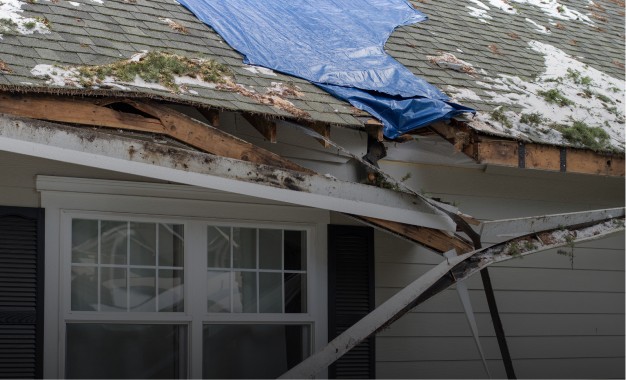
Dealing with unexpected roof damage after a severe storm is incredibly stressful. Many homeowners in Hammond, Schererville, and throughout Northwest Indiana feel overwhelmed when faced with the prospect of filing an insurance claim, fearing denied coverage or hidden out-of-pocket expenses. The uncertainty of whether your policy will adequately cover the restoration often paralyzes the decision-making process.
By the end of this guide, you will understand how the insurance claims process works, the difference between coverage types, and what to expect when restoring your roof in our local market. If you are ready to explore the best solutions for your home, we invite you to schedule a free inspection with our expert team to discuss your options.
The True Value of a Professional Roof Replacement
When navigating an insurance claim, understanding the factors that influence the scope of your restoration is the first step toward a successful project. At Reliance Roof Troop, we believe in radical transparency. A standard roof replacement involves removing the old materials, inspecting the underlying structure, and installing quality architectural shingles. For homeowners looking to upgrade, premium, impact-resistant materials like Malarkey or F-Wave shingles offer enhanced durability against future storms. As a company founded by a military veteran, we ensure every project reflects our dedication to discipline, integrity, and exceptional craftsmanship, regardless of the materials chosen.
Understanding Insurance Coverage Types
The type of insurance policy you hold significantly impacts your out-of-pocket expenses following storm damage. Here is a breakdown of the two primary coverage options:
| Coverage Type | Key Characteristics | Financial Impact |
|---|---|---|
| Actual Cash Value (ACV) | Pays the depreciated value of your roof based on its age and condition prior to the damage. | Higher out-of-pocket costs; you are responsible for the difference between the depreciated payout and the actual cost of a new roof. |
| Replacement Cost Value (RCV) | Pays the actual cost to replace your roof with comparable materials, without factoring in depreciation. | Lower out-of-pocket costs; your primary expense is typically just your deductible. |
Factors That Drive Roof Replacement Scope
The complexity of your new roof is determined by several key variables beyond just the shingles. Material selection plays a significant role; premium products like F-Wave shingles require specialized installation techniques but offer superior durability against hail and wind. The architecture of your roof, including steep pitches or multiple valleys, also impacts the project timeline and labor requirements. Additionally, local building codes in communities like Crown Point or Munster may require specific underlayments or ventilation upgrades that must be included in the project scope.
Hidden Costs to Anticipate
Budget surprises are a homeowner’s worst nightmare, particularly when dealing with the aftermath of a severe storm. One of the most common hidden costs is addressing water damage or rotted decking discovered only after the old shingles are removed. Upgrading your roof may also reveal outdated ventilation systems that must be brought up to current municipal codes before the new installation can proceed. Furthermore, if your insurance policy only covers ACV, the depreciation deduction can be a significant unexpected expense that homeowners must cover themselves.
Repair vs. Full Replacement
Deciding between a targeted repair and a full roof replacement requires careful consideration of your roof’s age and the extent of the damage. While a repair might seem like the most straightforward solution in the short term, patching an older roof often leads to mismatched shingles and potential future leaks. If your roof is nearing the end of its lifespan or has sustained widespread hail damage, a full replacement is generally the more prudent investment, ensuring your home remains rainwater tight for decades.
The Reality of ROI and Long-Term Value
According to recent remodeling data, a new roof is one of the best investments you can make, often recouping a significant portion of its cost at resale. However, the true value of a premium roof replacement is measured in the daily peace of mind and improved protection it brings to your family. Upgrading to impact-resistant materials can also lead to substantial insurance premium discounts, further enhancing the long-term financial return on your investment.
A Framework for Your Decision
Before committing to a specific roofing solution, consider these three questions to guide your planning:
- What type of insurance coverage do I currently have? Understanding whether you have an ACV or RCV policy is critical for anticipating your out-of-pocket expenses.
- How long do I plan to stay in the home? If this is your forever home, investing in premium, durable materials like Malarkey shingles ensures long-lasting protection.
- Am I prepared for the insurance process? Partnering with a contractor who handles adjuster coordination and detailed documentation can alleviate the stress of filing a claim.
When It Makes Sense to File a Claim
If your roof has visible damage from a recent storm, such as missing shingles, severe granule loss, or interior water leaks, it is time to consider filing an insurance claim. Ignoring these signs can lead to more extensive structural damage and costly out-of-pocket repairs down the line. A professionally installed roof is not an indulgence; it is a fundamental component of a well-functioning home.
Conclusion
Navigating an insurance claim for roof damage is a significant undertaking that impacts both the value of your home and your financial peace of mind. At Reliance Roof Troop, our dedicated team ensures that from the initial thorough inspection to the final installation of your premium shingles, you have a trusted partner managing every detail. We respect your time, your home, and your goals, delivering clear communication throughout the entire process. We invite you to request a free consultation today to begin restoring your home with confidence.
FAQ
How do I know if I should file an insurance claim? If your roof or siding has visible damage from storms, hail, or wind, it is worth having a professional inspection to determine if filing a claim is necessary. We can help assess the damage and advise you on the best course of action.
What is the difference between ACV and RCV coverage? Actual Cash Value (ACV) pays the depreciated value of your roof, resulting in higher out-of-pocket costs. Replacement Cost Value (RCV) pays the actual cost to replace your roof with comparable materials, meaning your primary expense is typically just your deductible.
How long does the insurance claims process take? The timeline varies depending on the severity of the storm and your insurance company’s responsiveness. However, our team works diligently to coordinate with adjusters and expedite the process, ensuring your home is restored as quickly as possible.
